Most people only think about calling a restoration company after something has already gone wrong: a pipe has burst, a water heater has failed, a washing machine hose has split open overnight. But some homeowners call before any of that happens, just to ask what they can do to keep it from happening at all. That’s exactly what one Vista homeowner did recently.
“Quick, friendly conversation with Dry 1 Out Restoration and Construction about how to protect a home from water damage. I’d feel comfortable calling them for restoration in Vista.” : Desyre, verified Google review
It’s a short review, but it says a lot about what a good prevention conversation should look like, and what it earns a company when it’s done right.
Why call a restoration company before there’s damage?
A prevention call works the same way a smoke detector does: it’s cheap insurance against a much bigger problem. Homeowners who ask these questions early are usually trying to catch a slow issue (an aging supply line, a water heater past its expected service life, a slab leak under an older North County home) before it becomes an emergency extraction job.
Asking a restoration crew these questions directly, rather than guessing from a forum post, gets a homeowner answers grounded in what actually floods homes in practice: supply line failures, appliance hose ruptures, and roof or plumbing leaks that go unnoticed inside a wall for weeks. The EPA’s flooded homes guidance and the IICRC’s S500 water damage standard both start from the same premise: the faster a homeowner recognizes a problem, the smaller the repair.
What does a ‘quick, friendly conversation’ actually cover?
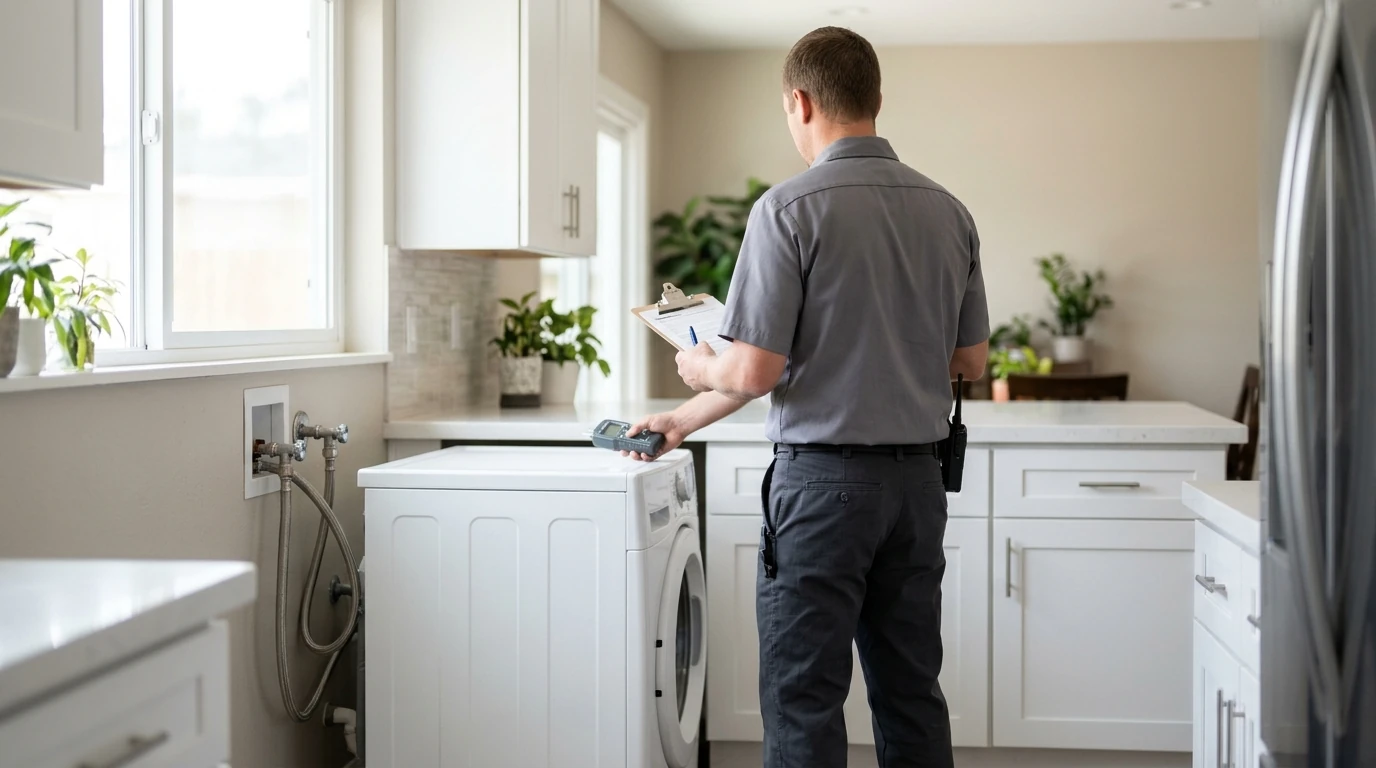
A good prevention conversation walks through the handful of things that cause most residential water losses and gives the homeowner something concrete to check that same week. That usually means talking through where the main water shutoff valve is and whether everyone in the household knows how to use it, how old the washing machine and dishwasher supply hoses are (braided stainless steel lasts far longer than the rubber hoses many homes still have), and what a slow leak actually looks like before it becomes visible: a slightly soft spot in flooring, a faint musty smell, a water bill that’s crept up for no obvious reason.
For homes in Shadowridge or Buena Creek with older plumbing, or slab-on-grade homes anywhere in Vista, that conversation often includes a simple reminder: hairline slab leaks rarely announce themselves with a puddle. They show up as warm spots on the floor, a water meter that keeps spinning with every fixture off, or a utility bill spike. Our blog post on signs of hidden mold covers the same category of problem from the other direction: the damage that’s happening somewhere you can’t see yet.
None of this requires a truck roll or an invoice. It’s fifteen minutes on the phone that can save a homeowner a much worse call later.
What turns a free conversation into trust?
Trust comes from a company explaining the problem clearly instead of trying to sell something on the first call. Desyre’s review doesn’t mention a job, a quote, or a sales pitch. It mentions a conversation that left her comfortable enough to say she’d call Dry 1 Out if she ever actually needed restoration work done.
That’s the real test of a prevention call: did it leave the homeowner more informed, or did it leave them feeling sold to? A company willing to spend time answering questions with no job attached is signaling something about how it’ll behave once there is a job attached: documentation, straight answers, and a plan the homeowner understands before any work starts.
What happens if that same home actually floods?
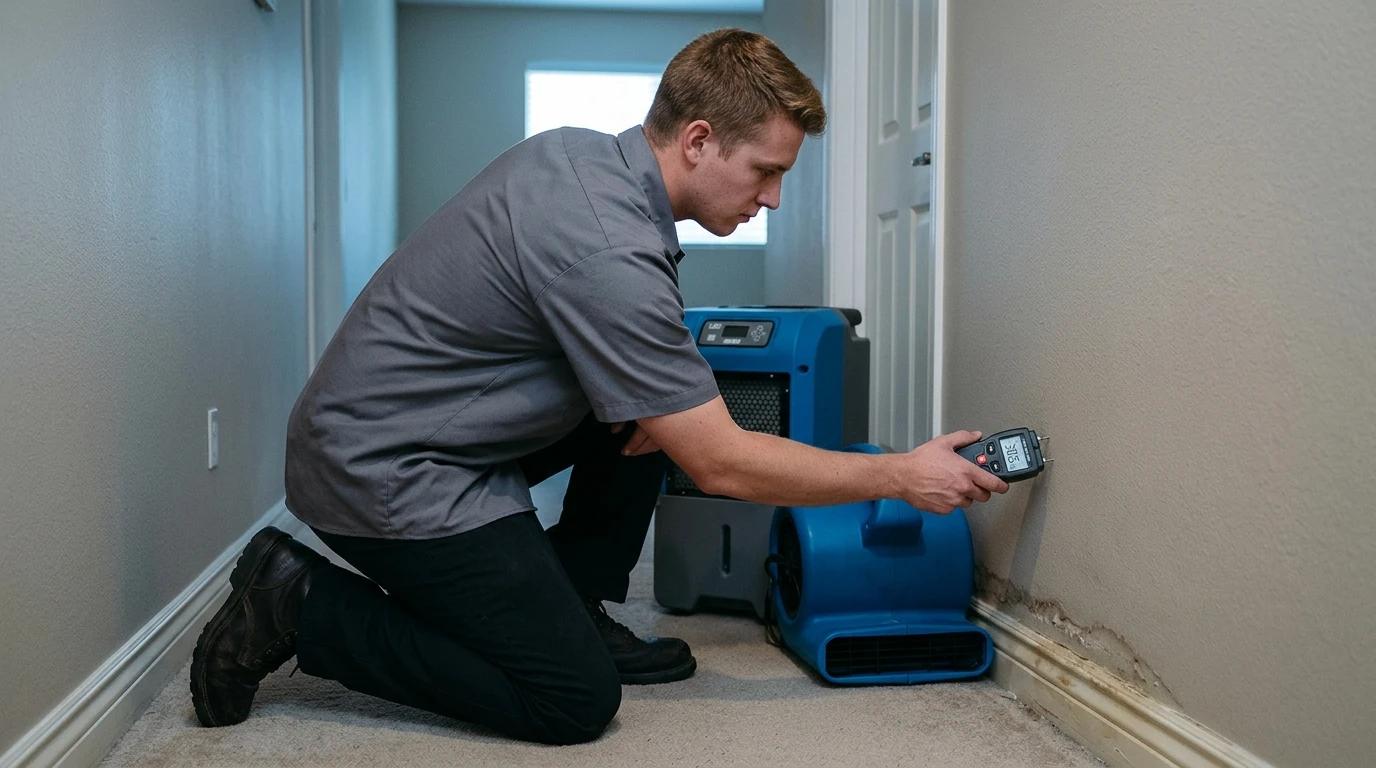
If prevention fails and water does get into a home, the response follows the same IICRC S500 framework the prevention conversation was built on: identify the water category, extract standing water, set containment and air movement, and dry the structure to verified moisture readings rather than guessing when it “feels dry.” Our guide on what to do in the first 24 hours after water damage walks through those first steps in more detail, including the documentation that protects an insurance claim.
Because Dry 1 Out answers calls 24/7, a homeowner who had an earlier prevention conversation doesn’t have to start from zero if a leak does show up at 2 a.m.: they already know who to call and roughly what to expect.
If you want that same kind of conversation before anything happens, or you’re already looking at a wet spot you can’t explain, call Dry 1 Out at (888) 379-1688. You can also learn more about our water damage restoration process or reach the team directly.
About Dry 1 Out Restoration and Construction
Dry 1 Out Restoration and Construction is an IICRC Certified Firm licensed in California (license #993442), serving North San Diego County from its Vista office and the Bay Area from its Hayward office. The crew holds IICRC credentials in water damage (WRT), structural drying (ASD), mold remediation (AMRT), and fire and smoke restoration (FSRT), and answers calls 24/7. This post was prepared with the Dry 1 Out team by Jason Pacheco.